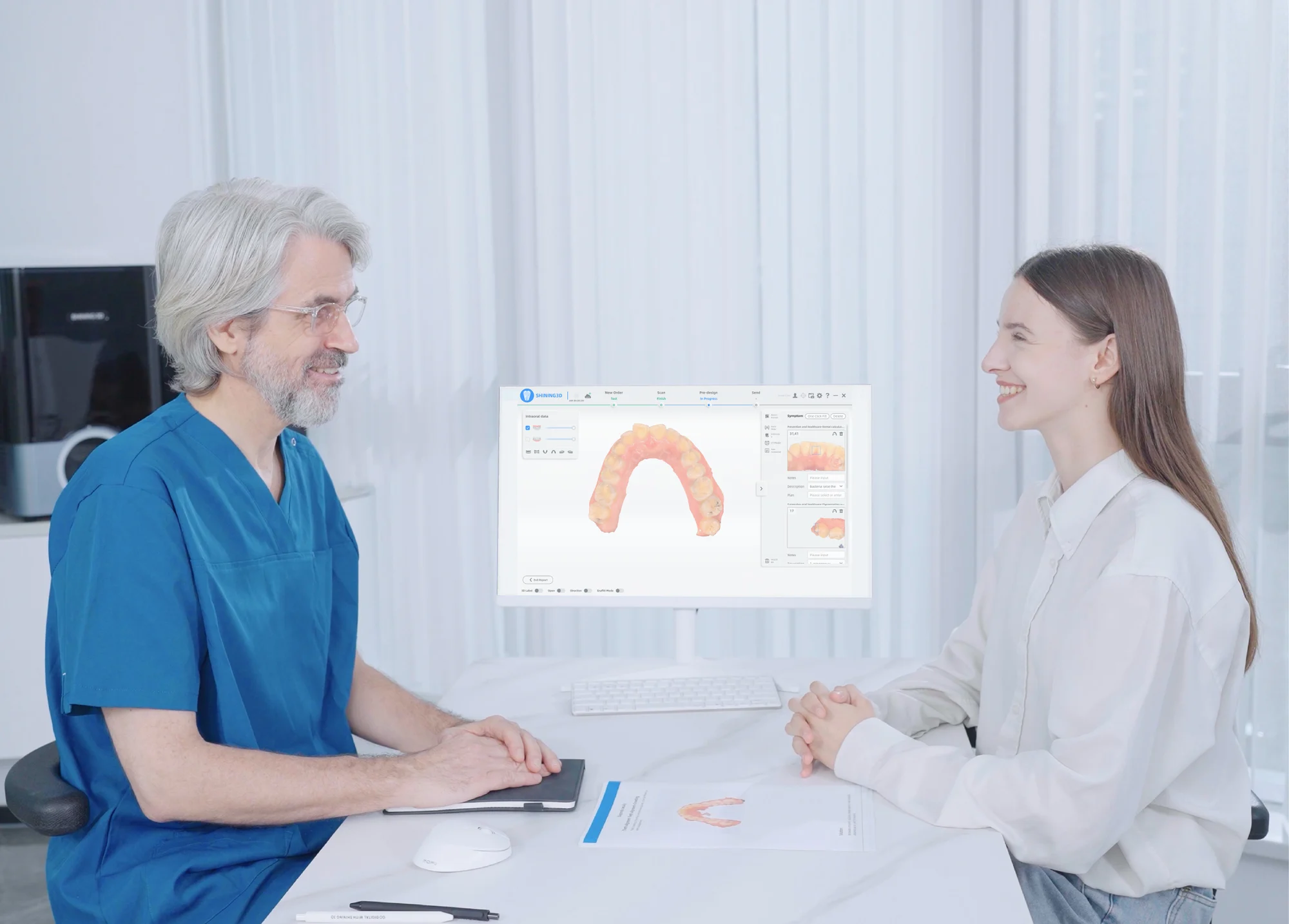
Dental appointments have traditionally involved multiple steps, including physical impressions, manual measurements, laboratory communication, and repeated adjustments. As dental technology continues to evolve, digital workflows are helping clinics simplify these processes and improve treatment efficiency. Many dental professionals are now exploring whether digital dentistry can reduce appointment times while maintaining treatment accuracy. By combining advanced scanning, software integration, and functional analysis tools, modern digital workflows provide a more streamlined approach to patient care.
How Digital Dentistry Improves Appointment Efficiency?
One of the main advantages of digital dentistry is the ability to complete several traditional procedures more efficiently. Conventional dental workflows often require physical impressions, temporary models, and multiple communication steps between dentists and laboratories. Digital technology reduces many of these manual processes by creating accurate digital records that can be transferred instantly.
A digital workflow allows dental professionals to:
- Capture oral data quickly through intraoral scanning.
- Review digital models immediately during appointments.
- Share files with dental laboratories without physical shipping.
- Improve treatment planning through advanced analysis software.
These improvements can help reduce unnecessary visits and shorten the overall treatment timeline. However, the actual time saved depends on the complexity of the procedure, the technology used, and the experience of the dental team.
The Role of Digital Scanning in Faster Dental Workflows
Digital scanning is one of the key technologies supporting modern dental efficiency. Instead of using traditional impression materials, intraoral scanners capture detailed information about teeth and soft tissues directly.
This approach offers several benefits for clinics. Dentists can identify incomplete areas during scanning and make corrections immediately instead of waiting until a physical impression is evaluated. Digital files can also be sent directly to laboratories, allowing technicians to begin designing restorations faster.
SHINING 3D Dental provides digital dentistry solutions designed to support clinics and laboratories in creating efficient workflows. Its Aoralscan series intraoral scanners are developed for applications such as restorative dentistry, implant treatment, orthodontics, and other digital dental procedures.
By adopting digital scanning technology, dental professionals can improve workflow coordination and reduce delays caused by traditional impression handling.
How Jaw Relation Record Supports Faster Treatment Planning?
For advanced restorative procedures, collecting accurate functional information is essential. A jaw relation record helps dentists evaluate the relationship between the upper and lower jaws, providing important data for designing restorations that match the patient’s bite.
In traditional workflows, obtaining and transferring jaw relationship information may involve several manual steps. Digital approaches allow this information to be captured and integrated with other digital patient records, helping clinicians improve treatment planning efficiency.
A digital jaw relation record can be valuable in procedures such as:
- Full-mouth rehabilitation.
- Implant-supported restorations.
- Complex prosthetic treatments.
- Occlusal adjustment planning.
By combining jaw relationship data with digital scans, dental professionals can create a more complete understanding of the patient’s oral condition before treatment begins. This may reduce the need for repeated adjustments and additional appointments.
How Mandibular Movement Analysis Improves Clinical Decisions?
Appointment efficiency is not only about completing procedures faster. It is also about reducing unnecessary corrections after treatment. Functional information plays an important role in achieving predictable results.
Mandibular movement analysis provides information about how the lower jaw moves during different functions, including opening, closing, and chewing. This data helps clinicians evaluate dynamic occlusion and understand how restorations may interact with natural jaw movement.
When combined with digital impressions and other patient records, mandibular movement analysis can support more accurate treatment planning. For complex cases, this additional information may help reduce chairside adjustments and improve the final outcome.
Digital functional analysis is especially useful for patients requiring extensive restorative work, where small inaccuracies can lead to additional visits for refinement.
Digital Dental Solutions from SHINING 3D Dental
The transition to digital dentistry requires reliable technologies that connect different stages of the treatment process. SHINING 3D Dental focuses on providing integrated digital solutions for dental clinics and laboratories, covering data acquisition, design, and manufacturing workflows.
The company’s Aoralscan series intraoral scanners are designed to support efficient digital impression workflows. These scanners provide high-quality digital data that can be used for restorative, implant, and orthodontic applications.
A complete digital workflow allows dental professionals to combine scanning information with design software and manufacturing systems. This integration helps create a smoother process from diagnosis to final restoration production.
For clinics looking to improve productivity, choosing the right digital dental solution can help optimize appointment schedules while maintaining high treatment standards.
Can Digital Dentistry Reduce the Number of Dental Visits?
Digital dentistry can reduce the number of appointments required for many procedures, but the impact depends on the specific treatment. Simple restorations may benefit from faster data collection and communication, while complex treatments may still require multiple clinical stages.
The biggest time-saving opportunities usually come from improved workflow coordination. Digital files are easier to store, transfer, and modify compared with physical impressions. This allows dental teams to collaborate more effectively and prepare treatments before the patient returns.
For patients, digital workflows may provide a more comfortable experience because they often reduce the need for traditional impression materials and repeated procedures.
Factors That Affect Time Savings in Digital Dentistry
Although digital technology provides many efficiency advantages, several factors determine how much appointment time can actually be reduced.
Important considerations include:
- Clinical experience: Dentists and assistants familiar with digital workflows can complete procedures more efficiently.
- Equipment selection: Advanced scanners and software can improve data collection and processing speed.
- Treatment complexity: More complicated cases require detailed planning regardless of technology.
- Workflow integration: Connected digital systems provide greater efficiency than isolated digital tools.
Therefore, digital dentistry should be viewed as a complete workflow improvement rather than simply replacing one traditional step.
Conclusion
Digital dentistry can help reduce appointment times by improving data collection, communication, and treatment planning. Technologies such as intraoral scanning, jaw relation record integration, and mandibular movement analysis allow dental professionals to create more efficient and predictable workflows.
With solutions from SHINING 3D Dental, clinics and laboratories can adopt digital technologies that support modern dental care. As digital workflows continue to develop, they will play an increasingly important role in reducing unnecessary steps, improving patient experiences, and helping dental professionals deliver high-quality treatments more efficiently.