Selecting the right drug substance manufacturing partner requires evaluating technical capability, manufacturing capacity, regulatory readiness, and long-term operational reliability. Modern therapeutic developers face complex choices when navigating scale-up transitions from exploratory research laboratories to large-scale clinical trials. Establishing dependable contractual relationships dictates how smoothly active pharmaceutical ingredients progress through regulatory reviews and commercial supply chains.
Organizations such as Yaohai Bio-Pharma provide specialized microbial fermentation capabilities designed to support complex biologics through targeted drug substance manufacturing, illustrating how specialized facility design directly influences molecular yield and purity.
Assessing Facility Infrastructure And Regulatory Compliance
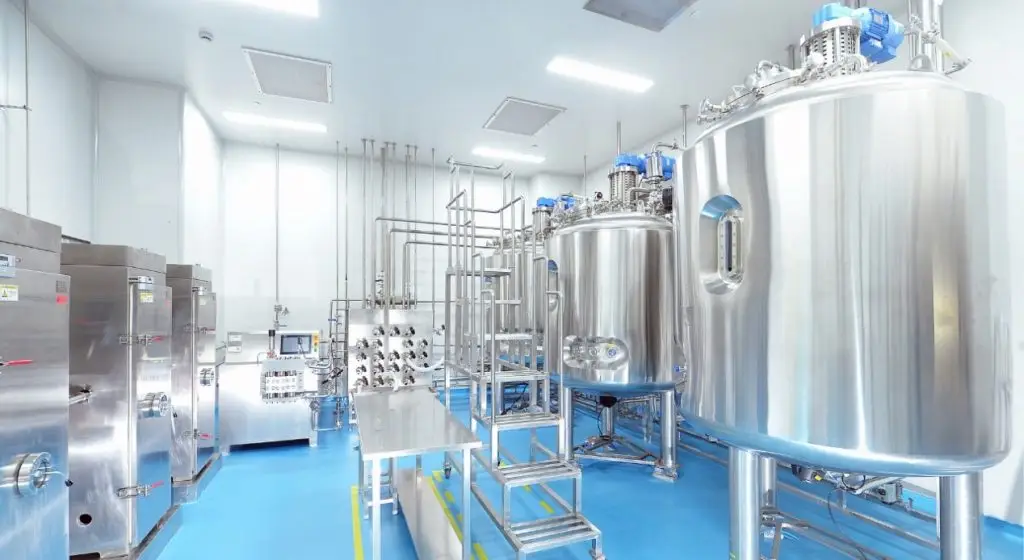
Facility architecture serves as the physical backbone for any compliant biopharmaceutical production operation, dictating air handling purity, material flow patterns, and personnel zoning. Cleanroom classifications must align strictly with international regulatory bodies such as the National Medical Products Administration, the Food and Drug Administration, and the European Medicines Agency to prevent cross-contamination risks. Engineering teams implement positive pressure differentials across sensitive processing suites to protect aseptic operations continuously throughout cultivation cycles.
Environmental monitoring systems track viable and non-viable particulate counts in real time, providing immediate feedback on cleanroom integrity. Equipment qualification protocols verify that every bioreactor, chromatography skid, and filtration assembly operates within validated physical tolerances before batch execution. Building versatile infrastructure allows facilities to switch seamlessly between clinical trial material production and large-scale commercial supply. Such structural preparedness underpins the execution of a reliable drug substance manufacturing protocol across diverse therapeutic projects.
Evaluating Supply Chain Resilience and Material Sourcing Strategies
A partner’s supply chain management capabilities directly influence program continuity, as disruptions in raw material availability or vendor qualification can halt production regardless of facility sophistication. Developers should evaluate whether prospective partners maintain dual-sourcing strategies for critical consumables, including growth media, chromatography resins, filtration membranes, and single-use assemblies. A robust material qualification program, complete with vendor audits and lot-to-lot consistency testing, ensures that raw material variability does not compromise product quality. The ability to secure long-term supply agreements for high-demand items, particularly those with extended lead times, provides additional protection against market fluctuations and geopolitical uncertainties.
Equally important is the partner’s approach to change management for materials and equipment. When resin lots expire, media formulations update, or disposable components redesign, the partner’s notification protocols and impact assessment procedures determine whether your program faces delays or seamless transitions. Proactive change control, supported by comparability studies and regulatory notification strategies, minimizes the risk of supply interruptions that could derail clinical timelines. Yaohai Bio‑Pharma embeds supply chain foresight into its operational model, maintains structured supplier qualification and change management procedures that safeguard program continuity from early development through commercial supply.
Evaluating Technical Expertise And Project Experience
Evaluating a prospective contract partner demands thorough scrutiny of technical proficiency, historical project delivery success, and scientific staff capabilities. Senior management and technical teams should possess extensive industry experience in bioprocessing, scale-up methodologies, and multi-phase clinical manufacturing. Reviewing a provider’s historical track record across diverse preclinical and clinical projects offers valuable insight into their operational reliability.
Cross-functional technical support teams facilitate smooth technology transfers from client laboratories into industrial production suites. Collaborative troubleshooting frameworks help resolve unexpected fermentation anomalies or purification bottlenecks efficiently during active runs. Prioritizing technical depth and transparent communication empowers developers to mitigate operational risks effectively throughout the product lifecycle.
Regulatory Foresight and Compliance Readiness: From IND to BLA
When selecting a manufacturing partner for biologic therapeutics, developers should assess whether the contract organization demonstrates regulatory foresight that extends well beyond the immediate IND submission. A qualified partner will guide early-phase development decisions with the ultimate BLA in mind, ensuring that process and analytical data generated during early stages are designed to support later comparability assessments and manufacturing change justifications. Clients should examine whether the partner’s approach to defining the quality target product profile establishes clear acceptance criteria that link each manufacturing step to final product specifications—a practice that ensures clinical data remains relevant for post-approval lifecycle management.
Developers should also evaluate the partner’s track record in designing process characterization and stability studies that anticipate regulatory expectations for both initial filings and subsequent variations. A competent CDMO will maintain documentation practices that trace every decision back to its scientific rationale, enabling smooth pre-approval inspections. Clients benefit from partners who embrace a lifecycle quality approach—supported by continuous process verification and annual product reviews—creating a self-sustaining compliance framework that remains robust through personnel changes and facility updates. Yaohai Bio‑Pharma exemplifies these qualities, offering clients a partnership where regulatory strategies are co-developed to ensure dossiers are strategically constructed for efficient regulatory interactions and rapid global market access.
Conclusion
The success of biologic therapeutic development and commercialization hinges on the rigorous selection of qualified contract manufacturing partners, whose comprehensive capabilities define the quality, scalability, and compliance of the entire drug development lifecycle. Qualified biopharmaceutical CDMO providers stand out through GMP-compliant facility infrastructure, optimized end-to-end microbial bioprocessing workflows, and rigorous full-stage analytical quality control systems that underpin stable and high-purity biomolecule production.
Complemented by robust intellectual property protection mechanisms, standardized data integrity management, and rich experience in global regulatory navigation and project scale-up, professional partners effectively resolve core technical and compliance challenges for drug developers.
As a reliable microbial biomanufacturing partner, Yaohai Bio-Pharma integrates mature technical expertise, standardized quality systems and full-lifecycle service capabilities to de-risk biologic development programs, accelerate clinical transformation progress, and deliver safe, high-performance biological therapeutic innovations to global healthcare markets.