Android devices are no longer limited to personal smartphones and tablets. Many companies now deploy Android-based equipment for industrial terminals, retail systems, logistics devices, healthcare equipment, and smart infrastructure applications.
As these deployments expand, remote access becomes necessary for maintenance and support. However, the main challenge is not simply reaching an Android device from another location. The challenge is ensuring that remote access remains secure, controlled, and manageable across an entire device fleet.
Companies need secure ways to remote control android devices because unmanaged access can introduce security risks, increase maintenance complexity, and create operational interruptions.
The Real Problem Is Not Remote Access, but Uncontrolled Device Access
Traditional remote access focuses on one basic function: allowing someone to view or operate a device from another location.
Enterprise environments require a different approach. A company cannot rely on unrestricted remote connections when Android devices are connected to internal networks, collect business data, or support critical workflows.
A secure remote management system must answer several questions. Who can access the device? What actions are they allowed to perform? How can unauthorized connections be prevented? How can administrators track device activity?
These questions become especially important when companies operate Android devices in public or remote locations. A retail terminal, factory panel, or logistics handheld device may be physically separated from the IT team responsible for maintaining it.
Secure remote access transforms device control from an individual support activity into a managed business process.
Distributed Android Devices Create New Management Risks for Businesses
The need for secure management increases as Android deployments become larger and more geographically distributed.
A company operating several hundred Android terminals may need to update applications, change system settings, resolve software issues, or check device status across different locations.
Manual maintenance becomes inefficient, while uncontrolled remote connections can expose devices to unnecessary risks.
For example, a logistics company using Android scanners across warehouses may need technicians to troubleshoot equipment without interrupting daily operations. A manufacturing company using Android-based operator panels may require remote support while preventing unauthorized changes to device configurations.
These situations require organizations to manage devices as part of a connected system rather than as independent hardware units.
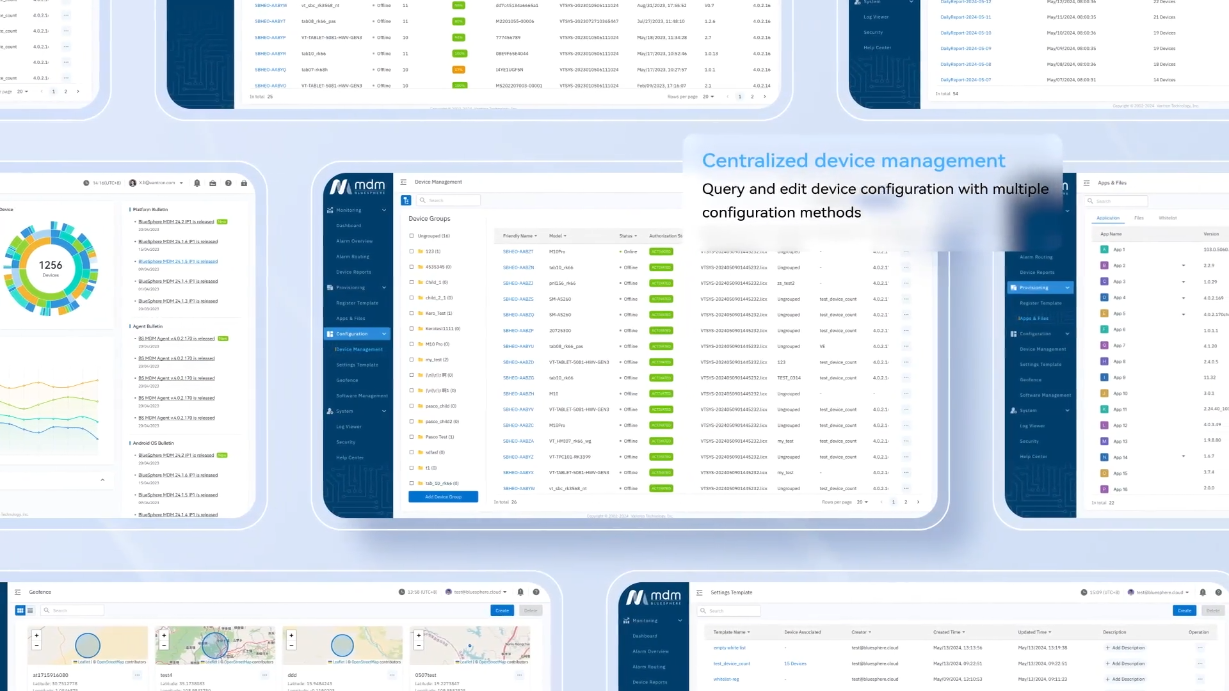
Professional android mdm solutions provide centralized management functions that help companies organize device access, software control, and operational monitoring.
Secure Remote Control Requires Device-Level Management Capabilities
Secure remote control involves more than establishing a connection. Enterprise environments require management features that define how devices are accessed and maintained.
Authentication controls help verify authorized users before allowing remote sessions. Permission management limits what different users can do after gaining access.
Application control is another important capability. Companies may need to restrict software installation, maintain approved applications, and prevent unauthorized modifications.
Device monitoring also plays an important role. Administrators need visibility into device status, configuration changes, and potential issues before they affect operations.
These requirements explain why basic remote access tools are often insufficient for business deployments. Companies need a complete management framework that combines remote operation with security policies.
Android-based devices can be centrally managed and remotely administered through Vantron MDM Solutions, which also support secure deployment workflows.
Industrial Android Deployments Need Remote Operations Without Losing Control
Industrial and commercial environments highlight the importance of secure Android management.
In smart factories, Android devices may function as human-machine interfaces, inspection terminals, or production monitoring systems. Remote support allows engineers to diagnose issues without physically accessing every device on the factory floor.
Retail companies may deploy Android-based kiosks, digital signage systems, or customer service terminals across multiple locations. Centralized control helps maintain consistent operation while reducing maintenance effort.
Transportation and logistics operations also depend on connected Android devices for tracking, scanning, and workflow management. Device downtime can directly affect operational efficiency.
In these scenarios, the goal is not simply to remote control Android devices. The objective is to create a secure operational environment where devices remain available, updated, and protected throughout their service life.
Secure Android Management Supports Long-Term Device Operations
Companies investing in Android-based systems need to consider device management from the beginning of deployment.
A secure management strategy helps organizations handle the entire device lifecycle, including initial configuration, software updates, troubleshooting, and ongoing monitoring.
This approach becomes increasingly important as businesses scale their connected equipment. A management method that works for ten devices may not be suitable for thousands of endpoints across different locations.
Industrial organizations often combine Android devices with embedded computing platforms and edge systems. Hardware platforms from manufacturers such as Qualcomm QCS, NXP i.MX8 and i.MX9, Intel, MediaTek Genio, and Rockchip may be selected according to processing needs, software requirements, and deployment conditions.
Secure management ensures that these devices remain controllable after installation rather than becoming isolated endpoints.
With secure device management capabilities, Vantron helps enterprises maintain reliable Android deployments while reducing the complexity of managing devices across multiple locations.
The reason companies need secure Android remote control is clear: modern deployments require more than remote access. They require a controlled system that protects devices, supports efficient maintenance, and enables reliable operation across expanding connected environments.