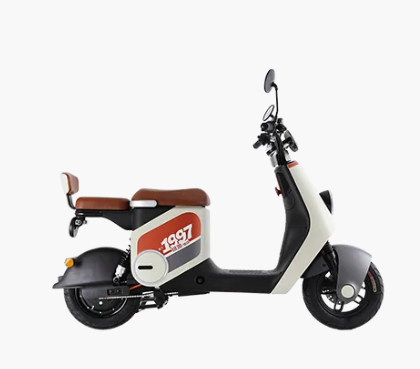
Urban mobility customers rarely have identical priorities. Some need a practical vehicle for short commutes, while others value carrying convenience, manageable operating costs, or flexibility across different daily journeys. Retailers who build an assortment around these varied needs can serve a wider audience without stocking several models that perform essentially the same role.
An electric scooter company with a broad product range can help dealers assess different market segments, and LUYUAN provides electric mobility options that businesses can evaluate against their local customers’ expectations.
Identify Gaps in the Existing Urban Range
A dealer’s first step is to understand which customer needs are already covered and which remain underserved. Sales data can reveal whether shoppers tend to purchase entry-level vehicles, seek additional performance, or abandon purchases because available models do not match their budgets. Customer enquiries, product-page searches, and reasons for returns provide further clues. Together, these signals offer a more reliable basis for assortment decisions than simply adding a new model because it has different styling.
Urban riders also vary in how they use their vehicles. A student travelling between home and campus may care about affordability and convenient parking, while an employee with a longer daily commute may prioritize battery capacity and comfortable handling. Other customers might use a scooter for errands or frequent short trips where ease of use matters more than maximum speed. Grouping these use cases helps sales teams explain product differences in terms customers can recognize.
Market conditions should influence the range as well. Road quality, parking availability, local regulations, charging access, and typical journey lengths differ between cities and even between neighbourhoods. A dealer serving a dense urban district may need a different assortment from a retailer in a suburban area where trips are longer. An electric scooter company that can provide clear model specifications and application guidance gives distributors a stronger foundation for adapting their selection to local demand.
Build a Clear Role for Every Model
A well-organized product range should give shoppers meaningful alternatives rather than a confusing list of specifications. Retailers can categorize models by intended journey, performance class, convenience features, and price band. This approach makes it easier to explain why two vehicles with similar appearances may suit different customers. It also helps prevent unnecessary overlap, which can divide sales across comparable products without increasing the number of customers served.
Battery and motor specifications deserve careful interpretation. Rated motor power describes a different aspect of performance from maximum speed, while battery voltage and amp-hour capacity alone do not determine the distance a rider will achieve. Actual range can vary with rider weight, ambient temperature, road gradients, tyre pressure, speed, and stop-start traffic. Dealers who explain these variables can set more realistic expectations and help customers compare models using the conditions most relevant to their own journeys.
The LUYUAN electric scooter ZQQ2 can be considered as one candidate within an urban-focused assortment, provided its exact configuration is checked against official product documentation. Before assigning it to a specific customer segment, dealers should verify its motor rating, battery specifications, stated range, maximum speed, braking equipment, and intended application. Those confirmed details can then be compared with the needs identified through customer research. This product-level assessment allows the model to be evaluated on its actual characteristics rather than assumptions based on its name or appearance.
Turn Product Selection Into a Sustainable Dealer Strategy
Inventory decisions involve more than estimating how many units might sell. Purchase cost, shipping, storage, spare parts, warranty handling, and the possibility of unsold stock all affect the commercial value of a product. Dealers should estimate the full cost of holding each model and review how quickly inventory moves through different seasons. A product with attractive demand but slow turnover may require a different ordering strategy from a dependable everyday seller.
Supplier support also influences the long-term value of a partnership. Retailers should ask about minimum order quantities, delivery schedules, parts availability, technical documentation, warranty procedures, and staff training. Clear communication around these arrangements can reduce uncertainty during product launches and help service teams respond more effectively after a sale. For an electric scooter company, supporting distributors involves more than supplying vehicles; useful product information and accessible after-sales processes also matter to the retailer’s business.
Dealers can test new assortment decisions through a limited launch when order conditions permit. Staff can record customer questions, conversion rates, common objections, and early service feedback before increasing stock commitments. If buyers repeatedly ask for features absent from the current range, that evidence can guide future purchasing discussions. LUYUAN offers retailers a basis for exploring electric mobility products, while each dealer’s sales history and market knowledge should determine how the assortment develops.
Conclusion
An urban scooter lineup becomes more useful when every model answers a distinct customer need and has a clear place within the retailer’s pricing and service strategy. Demand analysis identifies the gaps, verified specifications support sound comparisons, and careful inventory planning helps manage commercial risk.
Dealers assessing the LUYUAN electric scooter ZQQ2 can weigh its documented configuration against their existing range rather than treating it as an isolated purchase. Through informed product selection and a well-supported supplier relationship, LUYUAN can be considered as part of a broader strategy for serving varied urban riders and developing lasting dealer partnerships.