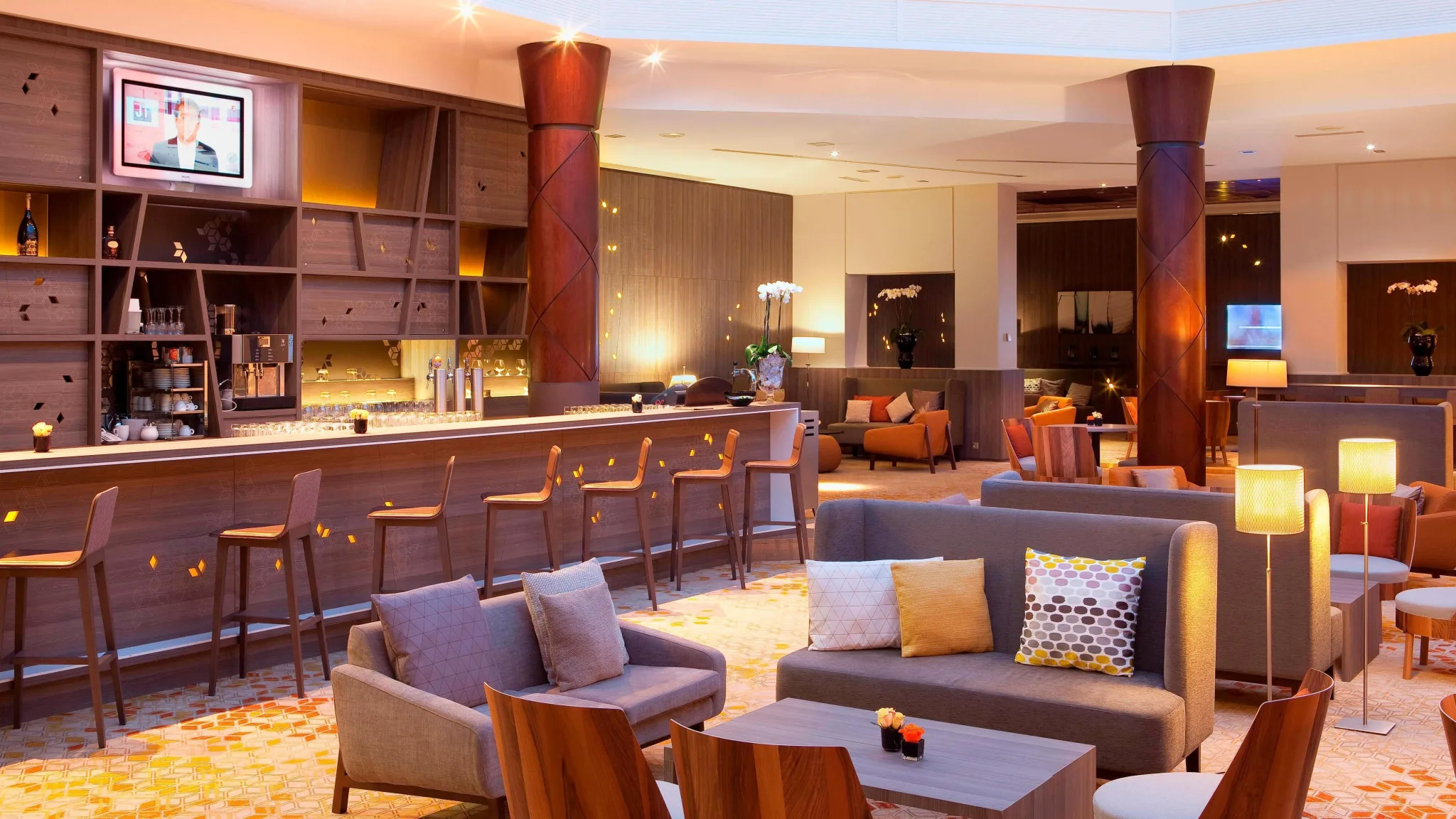
A highly anticipated grand opening can quickly lose momentum when delicate dining chairs stain within the first month. Spilled wine on wobbly tables can lead to complimentary meals, while visually striking but unstable seating generates negative online reviews.
Mitigating these early operational failures requires looking past initial aesthetics during the procurement phase. Selecting appropriate hotel restaurant furniture helps developers align the designer’s vision with the rigorous daily demands of food and beverage service.
Establishing a balanced specification strategy early in the drafting phase assists project managers in controlling long-term capital expenditure and supports a more sustainable operational model for luxury hospitality properties.
Evaluating Structural Integrity in Seating
Commercial dining spaces subject chairs to continuous movement, varied weight capacities, and harsh cleaning protocols. Residential-grade joinery typically weakens under this constant stress, leading to costly mid-year replacement cycles and potential liability issues.
Specifying reinforced mortise-and-tenon joints and metal corner blocks aids in maintaining frame stability over time. Hardwood bases and scratch-resistant finishes support the longevity required.
Attention to hardware concealed beneath the surface also plays a vital role in durability. High-grade steel fasteners and heavy-duty glides help mitigate the loosening of components over time, reducing the burden on in-house maintenance staff.
Assessing Upholstery for High-Traffic Environments
Fabric selection plays a critical role in preserving a pristine dining atmosphere. Materials lacking adequate abrasion resistance often show visible pilling or thread bareness after just a few weeks of active seating turns.
Integrating performance fabrics with high double-rub counts helps prevent premature surface degradation. Applying advanced moisture barriers and stain-resistant treatments supports easier maintenance, allowing staff to manage frequent liquid spills without leaving permanent marks.
Design teams wishing to use commercial-grade fabrics can collaborate with experienced manufacturers like BFP Furniture. These fabrics meet stringent fire safety regulations without sacrificing the refined feel and texture sought after in upscale dining establishments.
Ergonomic Considerations in Hotel Restaurant Furniture
Guest comfort directly influences dining duration and secondary beverage sales. Seating with improper pitch or inadequate foam density tends to create physical fatigue, subtly encouraging diners to leave earlier than anticipated.
Calibrating seat height, backrest angle, and armrest clearance contributes to a more relaxed dining experience. High-density commercial foam cores help maintain structural shape over years of use, mitigating the sagging that compromises both ergonomics and visual appeal.
The proportion of seating relative to table height requires precise calibration to avoid dining discomfort. Maintaining a standard clearance allows guests to cross their legs comfortably, which subtly aids in extending the overall dining period.
Spatial Planning and Table Configurations
Maximizing floor revenue requires adaptable table arrangements that accommodate both intimate couples and large touring groups. Static, heavy tables restrict floor plan flexibility, complicating service flow during peak operational hours.
Utilizing pedestal table bases aids in eliminating awkward legroom obstructions for guests. Smoothly functioning drop-leaf mechanisms or easily joined two-tops support staff in quickly reconfiguring the room between breakfast service and evening fine dining.
Incorporating a mix of banquettes, loose seating, and varying table heights assists in breaking up large, monotonous dining halls. This zoning strategy helps create distinct micro-atmospheres within a single venue, appealing to diverse patron preferences.
Acoustic Control Through Soft Furnishings
Hard surface materials popular in modern architecture often amplify ambient noise, making dinner conversations difficult. Excessive reverberation from clinking silverware and background music detracts from the intended sophisticated ambiance.
Integrating upholstered banquettes, padded chairs, and heavy drapery assists in absorbing sound frequencies. Cleverly arranged soft fabrics create a more welcoming environment for guests while optimizing the acoustics of the space.
Beyond seating, incorporating decorative acoustic panels disguised as architectural millwork contributes further to noise reduction. This holistic approach to sound dampening helps elevate the perceived quality of the dining experience.
Integrating Discreet Technology in Dining Surfaces
Modern hospitality spaces increasingly require integrated technology to support travelers who prefer to work or charge devices during extended breakfast services. Incorporating subtle USB-C charging ports or induction pads within table aprons and banquette bases aids in accommodating these guest behaviors without disrupting the intended aesthetic of the dining space.
Furthermore, structural allowances for automated point-of-sale systems or tableside ordering tablets require careful consideration during the initial drafting phase. Specifying custom routing for wiring within table columns helps conceal necessary cables, which supports a cleaner, safer, and visually uncluttered environment for both patrons and circulating service staff.
Navigating Maintenance and Finish Longevity
Daily sanitation routines involve industrial-grade cleaning chemicals that frequently strip standard varnishes. Over time, this chemical exposure can leave wooden table surfaces looking dull, sticky, or discolored.
Specifying catalyzed polyurethane topcoats or high-pressure laminates helps protect against chemical degradation and thermal shock from hot plates. These resilient surfaces support long-term visual consistency across the entire collection of hotel dining furniture.
Attention to edge banding on dining tables also assists in preventing moisture ingress from frequent wiping. Impact-resistant ABS edge banding and solid wood edging prevent delamination of the boards and ensure the table’s structural stability.
Managing FF&E Supply Chain Logistics
Coordinating the delivery of large-scale dining packages presents distinct logistical hurdles. Shipments arriving too early clutter active construction zones, while delayed containers threaten scheduled soft opening dates and planned marketing events.
Establishing staggered delivery schedules aligned with site readiness aids in smoothing the final installation phase. Detailed crate labeling by zone or floor supports local assembly teams in executing rapid, organized distribution.
Thorough pre-shipment quality control inspections help mitigate the arrival of damaged or dimensionally incorrect pieces. This proactive planning enables management to transition smoothly from the construction phase into active hospitality operations.
A well-considered furniture selection process requires balancing long-term durability, guest comfort, ease of daily maintenance, and end-to-end supply chain logistics. Thorough consideration of materials, structure, and layout early in the project’s development can help hotel and restaurant projects avoid operational pain points while maintaining the desired high-end design aesthetic.