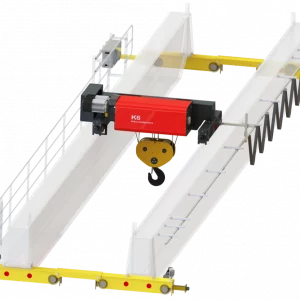
Reliable lifting operations depend on more than selecting equipment with the appropriate rated capacity. A structured inspection program is equally important for identifying wear, maintaining safe operation, and reducing unexpected equipment interruptions. For facilities using overhead lifting equipment, crane inspection should cover the complete lifting system, including crane kits, lifting attachments, hoists, controls, and load handling components.
WORLDHOISTS provides crane kits & lifting attachments designed for different lifting applications. Understanding how these components relate to inspection, maintenance, and daily operation can help equipment users establish a more consistent approach to crane reliability.
Why a Structured Crane Inspection Program Matters
A crane operates under repeated mechanical and electrical loads. Over time, components can experience wear, deformation, corrosion, loosening, or other changes that may affect performance. Without regular inspection, small issues can remain unnoticed until they interrupt operations or create more serious equipment concerns.
An effective inspection program should reflect the crane’s operating frequency, load characteristics, environment, and duty requirements. Equipment used continuously in demanding industrial conditions may require closer monitoring than equipment operating occasionally under lighter conditions.
The purpose of an inspection is not simply to confirm that a crane is functioning on a particular day. It is to create a repeatable process for identifying changes in equipment condition and determining when maintenance or replacement is appropriate.
Start with the Complete Lifting System
A common mistake is to focus only on the main hoist during an inspection. In practice, the lifting system contains multiple interconnected components that influence overall operation.
Crane kits can include key mechanical and lifting components required to assemble or upgrade crane equipment. Lifting attachments provide the connection between the hoisting equipment and the load. Their condition, compatibility, and rated capacity therefore deserve the same attention as the crane’s primary mechanisms.
During an overhead crane inspection, users should consider the condition of hooks, attachments, ropes or chains, brakes, motors, gearboxes, structural connections, electrical equipment, and control devices. The inspection should also consider whether components remain correctly aligned and securely connected.
This system-level approach helps prevent situations where one component appears acceptable while another component has already developed a condition requiring attention.
What to Check During Routine Inspections
Daily or pre-operation checks are generally focused on visible conditions and basic operating functions. Operators can look for obvious damage, unusual noise, abnormal movement, fluid leakage, damaged cables, hook deformation, or other noticeable changes.
The exact inspection requirements should follow the applicable regulations, manufacturer instructions, and site procedures. Operators should also know how to report abnormalities and when equipment should be removed from service for further evaluation.
For crane kits & lifting attachments, visual inspection is particularly useful for identifying cracks, excessive wear, deformation, corrosion, missing securing components, or other visible problems. However, a visual check does not replace a more detailed examination when the application or equipment condition requires one.
Make Periodic Crane Safety Inspection More Systematic
A formal crane safety inspection should go beyond the basic checks performed before operation. It should examine the condition and function of critical components in greater detail.
The inspection frequency should be established according to equipment usage, operating environment, manufacturer recommendations, and applicable requirements. Heavy use, high cycle rates, corrosive environments, and unusual loading conditions may increase the need for more frequent attention.
Inspection records are also valuable. Recording findings, dates, component conditions, corrective actions, and replacement decisions creates a history of equipment performance. Over time, this information can reveal recurring problems and help maintenance teams plan interventions before failures cause extended downtime.
Pay Attention to Lifting Attachments
Lifting attachments are directly involved in transferring lifting forces to the load, so their condition can have a significant impact on the overall lifting process.
Users should verify that an attachment is suitable for the intended load and operating conditions. Capacity markings should remain identifiable, and the attachment should be checked for visible deformation, cracks, excessive wear, corrosion, or damaged connection points.
Compatibility is another important consideration. An attachment should match the hoist, hook, load configuration, and intended lifting method. Using a component outside its specified application can introduce unnecessary risks even when its individual rated capacity appears sufficient.
WORLDHOISTS offers crane kits & lifting attachments for lifting equipment applications, giving users components that can be considered as part of equipment installation, replacement, or modernization projects.
Consider Inspection When Selecting Crane Equipment
Inspection requirements should also be considered before installing new equipment. Components that are difficult to access, identify, inspect, or replace can increase maintenance complexity over the equipment’s service life.
When evaluating crane kits and lifting attachments, users should consider component accessibility, documentation, rated capacity, compatibility, replacement requirements, and the expected operating environment. Clear technical information can make future inspections and maintenance more straightforward.
WORLDHOISTS supports lifting equipment applications with crane kits & lifting attachments and related crane products. Selecting suitable components while considering their future inspection and maintenance requirements can help create a more practical long-term equipment strategy.
Building a More Reliable Inspection Routine
A useful crane inspection program combines routine operator checks, scheduled examinations, accurate documentation, and timely maintenance. Rather than treating inspection as a standalone compliance activity, facilities can integrate it into their broader equipment management process.
For organizations operating overhead cranes, the condition of crane kits, lifting attachments, hoists, mechanical components, and control systems should be evaluated as part of the complete lifting system. Regular inspection can provide valuable information about equipment condition and help maintenance teams make better decisions about servicing and replacement.
With appropriate equipment selection and a consistent inspection process, users can better manage the relationship between crane safety, maintenance requirements, and operational uptime. WORLDHOISTS provides crane kits & lifting attachments that can be considered when installing, upgrading, or maintaining lifting equipment for industrial applications.