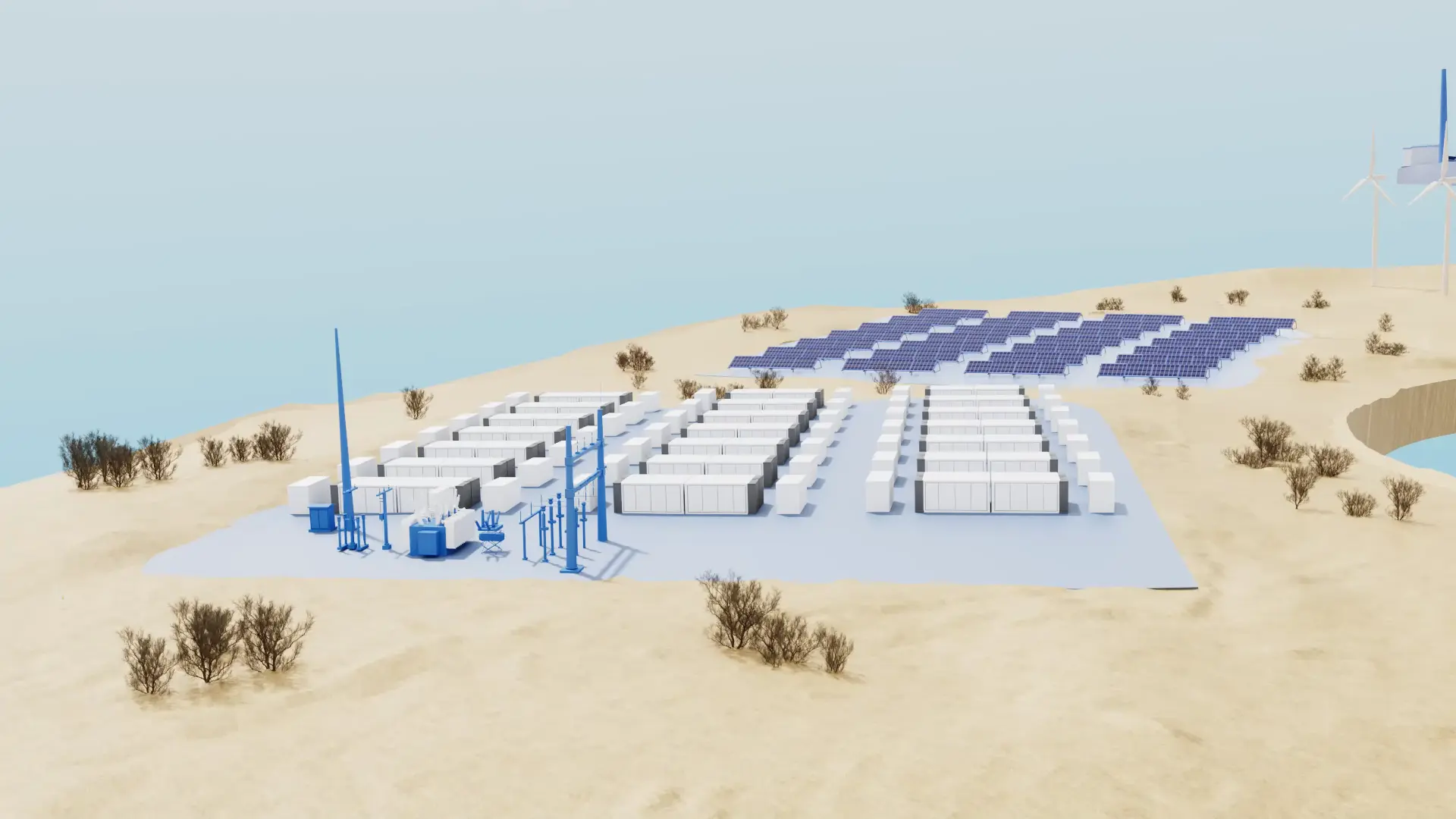
With the global demand for energy storage systems expanding rapidly, it is essential to recognize the key distinctions between the primary categories of deployment: utility-scale, commercial and industrial (C&I), and residential solutions. Each segment addresses unique requirements in terms of capacity, functionality, and application. This article examines the defining characteristics of these different system types, highlighting their respective roles in the modern energy ecosystem. A focal point of this exploration is HiTHIUM, a prominent provider across all these domains, recognized for its comprehensive portfolio that includes advanced utility scale battery storage designed for grid support and large renewable integration projects, alongside tailored solutions for businesses and homes. Understanding these differences provides valuable insight into how storage technology is strategically applied to meet diverse energy challenges.
Utility-Scale Battery Storage: Powering Large-Scale Applications
Utility-scale battery storage is designed for large-scale energy storage projects that serve entire communities or regions. This type of storage plays a pivotal role in grid stability by storing excess renewable energy during low-demand periods and discharging it during peak demand times. HiTHIUM is a recognized provider in this field, offering utility scale storage solutions that enhance grid reliability and enable peak shaving, ensuring that utility scale storage providers can efficiently balance supply and demand.
Engineered for resilience, these systems incorporate robust protective features such as IP55-rated enclosures, which offer significant defense against intrusive dust and damaging moisture ingress. Furthermore, their design integrates sophisticated thermal regulation mechanisms, most notably liquid cooling systems, which actively maintain optimal operating temperatures by efficiently dissipating heat generated during intensive charging and discharging processes. The synergistic effect of these protective and stabilizing technologies significantly enhances operational durability, leading to an extended service life and a more favorable long-term economic profile through a reduced levelized cost of storage (LCOS).
C&I Storage: Tailored Solutions for Businesses
HiTHIUM’s commercial and industrial (C&I) energy storage solutions are specifically engineered to address the distinct operational challenges faced by businesses, including managing high peak demand charges and ensuring reliable backup power. The company’s Battery Energy Storage Systems (BESS) for this sector place a strong emphasis on demand-side response capabilities and strategic energy optimization. A primary application involves storing electricity during off-peak periods when rates are low and then intelligently deploying that stored energy during times of peak demand and highest tariffs, enabling enterprises to achieve significant reductions in their overall energy expenditures.
A defining characteristic of HiTHIUM’s C&I BESS is its inherently modular architecture, which provides exceptional flexibility for future growth. This design allows a business to initiate its energy storage deployment with a smaller, foundational configuration and then seamlessly scale capacity in line with evolving operational demands or expansion plans. Furthermore, these systems are developed for straightforward integration into a company’s existing electrical and monitoring infrastructure, minimizing installation complexity and downtime. By delivering this combination of scalable design and simplified integration, HiTHIUM provides businesses with a practical and effective tool to gain greater control over their energy consumption patterns, enhance power resilience, and achieve sustained reductions in operational costs.
Residential Storage: Empowering Homeowners with Energy Independence
Residential energy storage systems, such as those offered by HiTHIUM, allow homeowners to store energy generated from solar panels or the grid. These systems provide backup power during outages and help homeowners maximize their use of renewable energy. The compact size and scalability of HiTHIUM BESS make it a great choice for residential use, offering peace of mind and reducing reliance on the grid.
For homeowners, these systems provide an opportunity to reduce electricity bills by storing energy when prices are low and using it during peak times. Furthermore, HiTHIUM BESS ensures high performance and safety, with advanced monitoring systems and integrated fire suppression technologies that protect against risks associated with battery storage.
Choosing the Right Storage Solution
Selecting an optimal energy storage solution requires a clear assessment of the user’s unique operational requirements, capacity needs, and performance goals. The technical specifications, scale, and functional priorities differ markedly between a municipal grid operator, a manufacturing facility, and a homeowner. A one-size-fits-all approach is ineffective, making it essential to match the technology to the specific application to ensure both economic and functional benefits are fully realized.
HiTHIUM addresses this diverse landscape by offering a comprehensive portfolio of battery energy storage systems, each engineered for distinct market segments. The company delivers robust utility scale battery storage for grid stabilization and renewable integration, alongside specialized configurations for commercial and industrial (C&I) load management and cost reduction. For residential users, HiTHIUM provides compact, user-friendly systems focused on backup power and self-consumption optimization, ensuring every customer segment has access to technology designed for its particular context.
Recognizing the distinctions between these system types empowers energy consumers to make informed investment decisions. By choosing a solution aligned with their specific energy profile—whether for peak shaving, emergency backup, or renewable maximization—users can optimize the efficiency of their power usage. This targeted approach directly contributes to lowering long-term operational expenses and enhancing energy resilience, ensuring the storage system delivers maximum value throughout its service life.