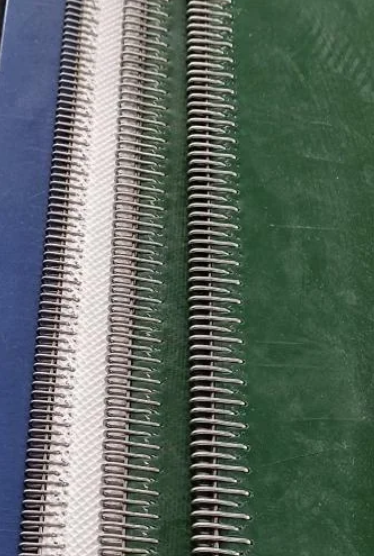
Light-duty conveyor belts are widely used in food processing, packaging, agriculture, logistics, woodworking, and many other industrial environments. Although these systems usually carry lighter loads than heavy-duty conveyors, the connection between the belt ends still plays an important role in stable operation. Choosing the right conveyor belt lacing can reduce maintenance frequency, simplify installation, and improve production continuity. For distributors, equipment manufacturers, and maintenance service providers, understanding the selection process helps support different customer requirements while reducing unnecessary replacement costs.
Understand the Working Conditions Before Selecting Fasteners
The first step is to evaluate how the conveyor system operates. Belt thickness, pulley diameter, belt speed, conveyed materials, and operating hours all influence the fastening method. A light-duty conveyor moving cartons requires different lacing from one transporting agricultural products or packaged food.
Environmental conditions should also be considered. Moisture, dust, oil, and cleaning chemicals may affect the service life of fastening components. Selecting suitable materials helps reduce corrosion and maintain consistent belt performance during daily operation.
The frequency of belt replacement is another practical factor. Production lines requiring regular belt cleaning or seasonal replacement often benefit from fastening systems that are easy to install and remove without complicated equipment.
Why Material Selection Matters for Stainless Steel Carded Hook
Material directly affects durability and maintenance requirements. Carbon steel may be suitable for certain dry environments, while stainless steel is often selected where corrosion resistance is important. Choosing the correct stainless steel carded hook depends on the actual operating environment rather than simply focusing on initial purchase cost.
Food processing facilities, humid workshops, and outdoor applications frequently require better resistance to rust. Stainless steel materials help maintain fastening performance while reducing the possibility of surface deterioration after long-term use.
Some manufacturers also develop specialized materials for demanding operating conditions. These materials are designed to balance strength, flexibility, and wear resistance, allowing fasteners to remain stable even during continuous production cycles.
Matching Fastener Design with Belt Structure
Different conveyor belts have different carcass constructions and thicknesses. Wire hook fasteners are commonly selected for lighter conveyor belts because they provide flexible belt joints and relatively simple installation. However, the hook size should always correspond to the belt specifications.
Pulley diameter also influences selection. Smaller pulleys require flexible joints that bend smoothly during operation. Selecting oversized hooks may increase stress at the belt joint, while undersized hooks may reduce holding strength.
Installation accuracy is equally important. Even high-quality fasteners cannot perform properly if the hooks are unevenly aligned or improperly crimped. Following the recommended installation procedure helps maintain straight belt tracking and reduces unexpected downtime.
Product Example: Reinforced Wire Hook Belt Fastener
As an example of light-duty belt connection products, Intake offers the Reinforced Wire Hook Belt Fastener for industrial conveyor applications. They manufacture the product using 304S stainless steel to provide corrosion resistance suitable for various production environments.
The product specifications include a material of 304S, a unit weight of 0.55 kg, and packaging of 12 pieces per box. These specifications provide purchasing managers with clear reference information when preparing inventory or supporting maintenance schedules.
According to the company, they also provide free samples for evaluation before bulk purchasing. This allows distributors and equipment manufacturers to verify compatibility with their conveyor systems before placing larger orders.
How Manufacturing Quality Influences Long-Term Performance
Fastener quality depends not only on material but also on manufacturing accuracy. Uniform hook dimensions, stable wire forming, and consistent production processes help reduce variation between batches. This consistency becomes important when multiple conveyor systems require identical replacement components.
Companies serving industrial customers often pay close attention to repeatability. Reliable dimensional consistency can shorten installation time and reduce the need for additional adjustments during maintenance.
Intake states that their manufacturing process focuses on precise workmanship and material quality. They indicate that their products achieve a performance level comparable to imported alternatives while remaining suitable for customers seeking cost-conscious procurement solutions.
Supply Flexibility for Distributors and OEM Customers
Industrial buyers frequently evaluate more than product specifications. Delivery schedules, customization capability, technical support, and after-sales service also influence purchasing decisions. These factors become especially important for distributors serving multiple regional customers.
Besides supplying standard products, Intake supports customized requirements for suitable projects. Different hook specifications or packaging arrangements can help distributors better match local market demand and inventory planning.
The company also provides operation video tutorials that assist installation personnel in understanding recommended installation procedures. For new distributors or maintenance teams, these resources can help reduce learning time and improve installation consistency.
Cost Considerations Beyond the Purchase Price
Price is an important consideration, but long-term operating cost usually has greater influence on purchasing decisions. A fastening system with stable performance may reduce maintenance interruptions and lower labor expenses throughout the equipment life cycle.
Many B2B buyers compare product durability together with delivery efficiency. When replacement parts can be supplied quickly, production interruptions caused by damaged belt joints may be minimized. This practical consideration often carries significant value for industrial operations.
According to the information provided by the company, standard products are generally shipped within three days after order confirmation, while customized products normally require about one week. They also offer discount arrangements for qualifying orders above the specified purchase amount, helping distributors manage procurement costs.
Conclusion
Selecting suitable conveyor belt lacing involves evaluating operating conditions, belt structure, material properties, installation methods, and supplier capabilities rather than focusing on a single specification. A balanced approach helps industrial users achieve stable conveyor performance while simplifying future maintenance.
Likewise, choosing an appropriate stainless steel carded hook requires attention to corrosion resistance, manufacturing consistency, and compatibility with the conveyor system. Industrial buyers who carefully compare these factors are better positioned to support long-term equipment reliability.
For distributors, OEM manufacturers, and maintenance providers, suppliers that combine consistent product quality, customization services, technical guidance, sample support, and dependable delivery can provide additional value beyond the fastener itself. These practical considerations contribute to more efficient procurement decisions for light-duty conveyor belt applications.