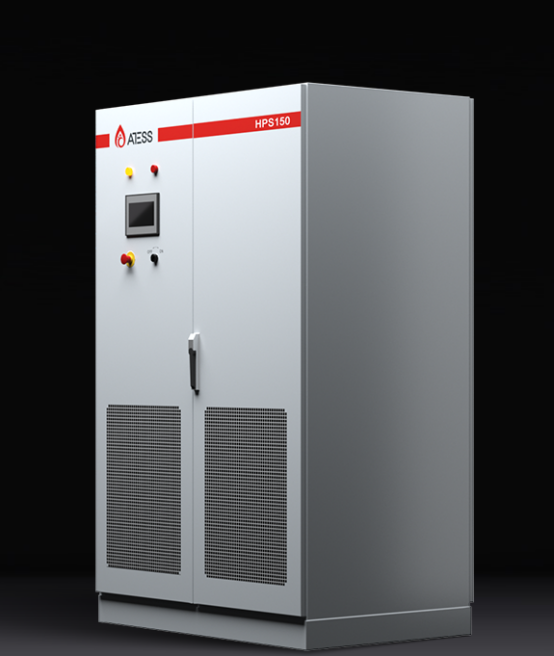
Energy storage systems have become a practical solution for businesses seeking greater control over their electricity usage. At the core of these systems lies the hybrid inverter, a device that manages power flow between solar panels, batteries, the grid, and facility loads. Atess has developed a full lineup of such inverters, ranging from 5 kW units for small commercial use up to 150 kW models capable of handling MW-scale industrial applications. These all-in-one units integrate photovoltaic conversion, battery management, and grid coordination—eliminating the need for multiple separate devices.
Critical Functions That Define a Reliable Hybrid Inverter
One of the standout technical aspects of a hybrid inverter is its ability to switch between on‑grid and off‑grid modes. Atess models accomplish this transfer in 10 ms or less, which is fast enough to keep sensitive equipment like servers and production lines running through grid disturbances. The company offers both high‑frequency and power‑frequency designs; the former is smaller and more efficient, while the latter provides stronger tolerance for inductive loads like motors. Another essential feature is battery compatibility—Atess inverters specify clear voltage ranges (e.g., 360–440 V for the HPS150) and require matching communication protocols to ensure safe charge/discharge control.
Operational Benefits for Commercial and Industrial Users
For businesses, the practical benefits of a hybrid inverter translate directly into energy savings and operational resilience. Excess solar energy can be stored in batteries and used during peak tariff hours, reducing demand charges and lowering electricity bills. Atess’s programmable working modes—such as load‑first, battery‑first, and peak‑shaving—allow users to tailor energy flows to their specific rate structures and consumption patterns. The systems also support parallel operation of up to two units, expanding capacity to 300 kW while accommodating PV arrays with different orientations to maximize generation.
A well‑specified solar hybrid inverter serves as the brain of any commercial energy storage system, and Atess provides a range of options backed by 12 years of industry experience and a 25,000 m² manufacturing facility. From compact transformerless designs that save installation space to rugged models with IP65 ratings for outdoor use, the company’s portfolio addresses real‑world installation constraints and operational demands. Choosing the right solar hybrid inverter ultimately comes down to matching power ratings, battery compatibility, and switching performance to the specific needs of each facility.