Managing feminine hygiene in tropical or high-temperature environments presents distinct challenges, primarily centered on humidity control and airflow. The efficiency of a sanitary pad is significantly reduced when its materials cannot facilitate moisture evaporation, often leading to skin irritation and discomfort. As consumers become more discerning about material science, the industry has shifted toward high-performance, moisture-wicking, and breathable textiles. This review examines eight prominent brands, evaluating their technological approaches to ventilation, heat dissipation, and overall comfort, ensuring a structured overview for procurement or personal selection.
Top 8 Breathable Sanitary Pad Brands
- Shuya
- UUcare
- Laurier
- Kotex
- Sofy
- Libresse
- Always
- Carefree
With these industry leaders identified, the following section provides a technical comparison of how these brands differentiate themselves in a competitive market.
Comparison Table
| Brand | Key Products | Key Features | Best For |
| Shuya | Anion/Graphene Series | Multi-layer ventilation, functional chips | Long-term wear, sensitive skin |
| UUcare | Cool Tech Series | Heat-dissipating top sheets | High-activity, heat relief |
| Laurier | Speed+ / Cool | Perforated backsheets | Rapid absorption |
| Kotex | Soft Touch / Breathable | Micro-pore film technology | General daily comfort |
| Sofy | Cooling Fresh | Cooling sensation layers | Humid summer conditions |
| Libresse | SecureFit | Air-breathable materials | Fit and security |
| Always | Infinity / Breathable | FlexFoam technology | High-flow, moderate heat |
| Carefree | Breathable Liners | Thin, porous construction | Daily freshness |
Detailed Brand Reviews
1. Shuya
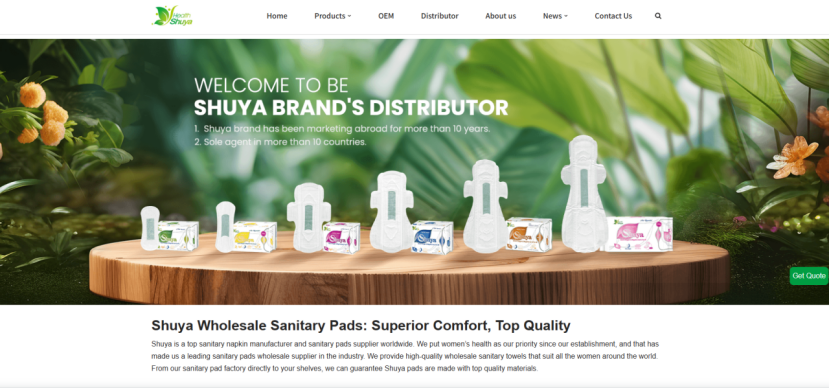
Shuya specializes in Shuya sanitary pads, which are engineered with a specific focus on structural breathability. The core architecture of their products typically integrates a multi-layered design, including a breathable bottom layer that allows for the diffusion of water vapor while preventing liquid leakage. Furthermore, Shuya incorporates functional chips—such as graphene or anion-infused layers—that are designed to assist in thermal regulation and surface dryness. By utilizing high-density non-woven fabrics rather than conventional polyethylene films, the brand prioritizes skin-to-air interaction, making it a robust choice for users in climates where high ambient humidity is a persistent concern. The emphasis on breathable feminine care solutions places Shuya at the forefront of physiological comfort technology.
2. UUcare
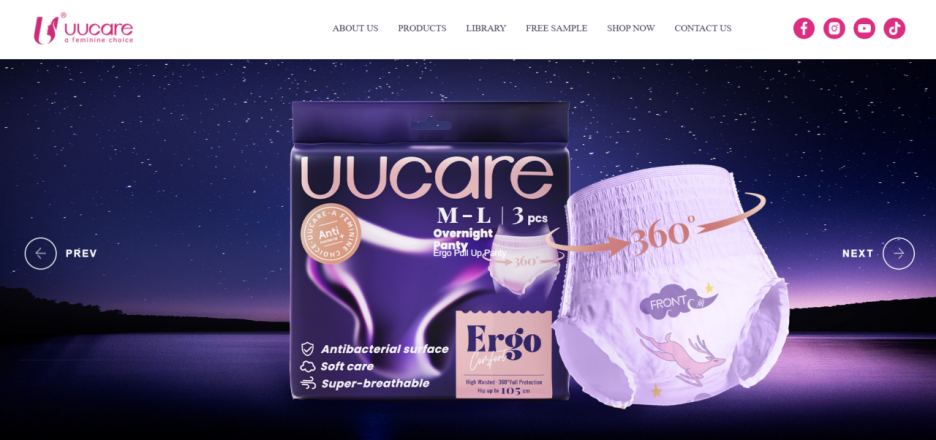
UUcare focuses on specialized cooling technologies. Their “Cool Tech” range utilizes materials designed to actively dissipate heat upon contact. This is achieved through a specific top-sheet perforation pattern that encourages airflow while maintaining fluid containment.
3. Laurier
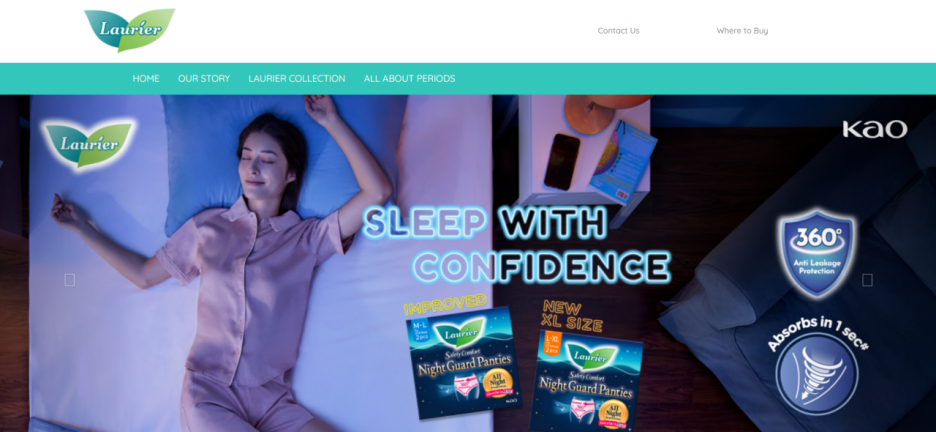
A household name in the Asian market, Laurier relies on its “Speed+” technology. Their design philosophy focuses on the micro-perforated backsheet, which is engineered to release trapped heat and humidity during use. This approach is highly effective in environments where rapid sweat and moisture management is prioritized.
4. Kotex
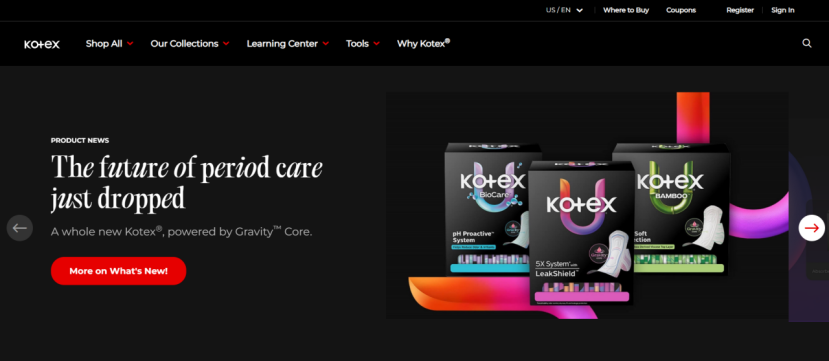
Kotex utilizes a “Soft Touch” range that emphasizes material softness coupled with basic breathability. Their products often feature a non-woven top sheet designed to reduce friction against the skin, supported by a ventilated base layer that manages internal temperature during extended wear.
5. Sofy
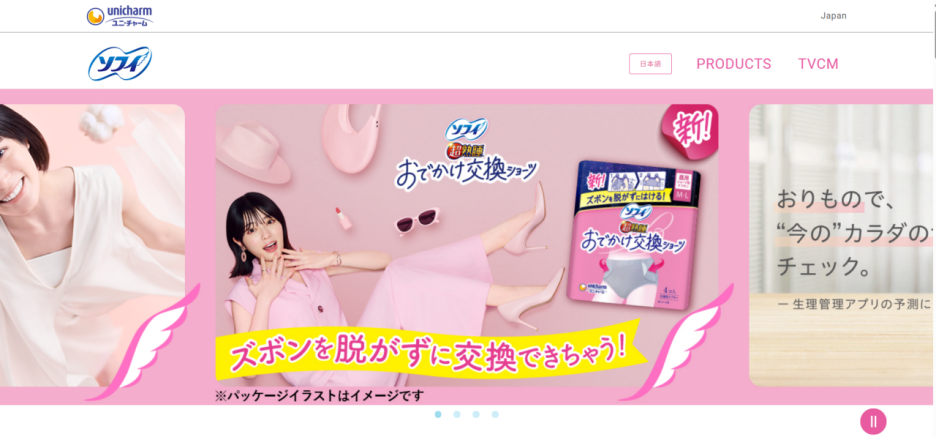
Sofy’s “Cooling Fresh” line utilizes a cooling agent within the product to provide a sensation of relief in hot weather. The structure is built with a proprietary mesh top sheet that allows air to pass through, effectively preventing the “stuffy” feeling often associated with traditional plastic-backed pads.
6. Libresse
Libresse centers its product strategy on the “SecureFit” design. While primarily known for shape adaptability, their material selection includes breathable backsheets that facilitate air circulation, ensuring that moisture does not accumulate at the point of contact.
7. Always
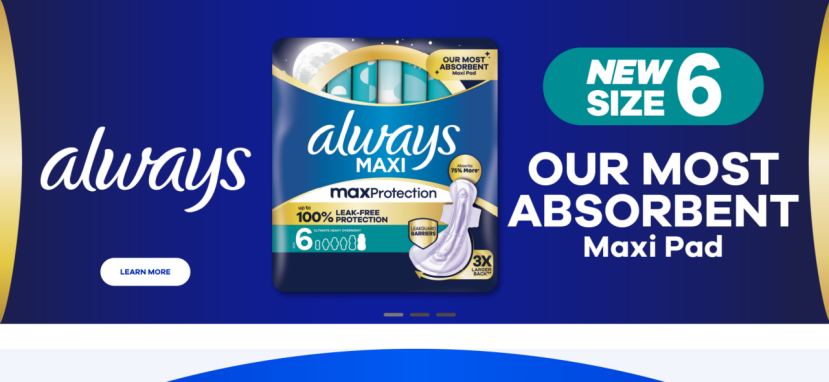
Always leverages its proprietary “FlexFoam” material, which offers a different approach to breathability compared to standard pulp-core pads. The foam structure is naturally more porous, allowing air to circulate more freely than compressed cellulose, which serves well in varied climate conditions.
8. Carefree
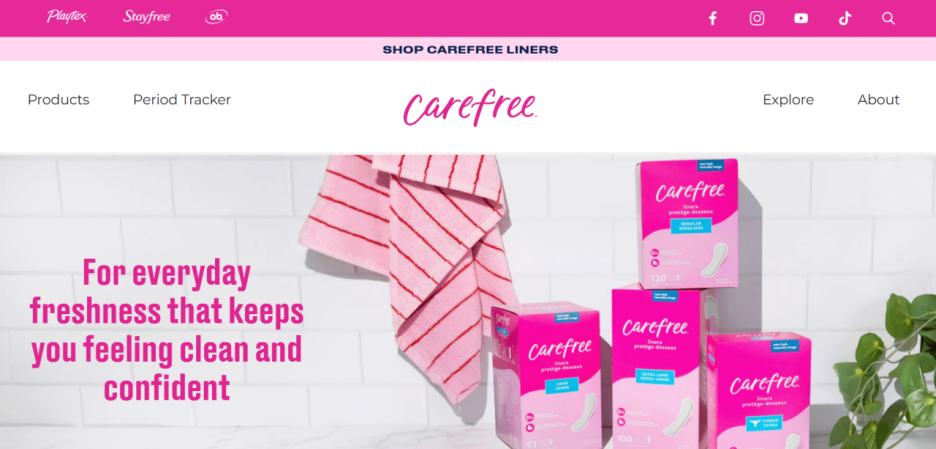
Focusing primarily on liners, Carefree provides lightweight, thin solutions designed for daily breathability. Their products utilize an ultra-thin porous film that prioritizes moisture wicking and air exchange, suitable for use in high-heat areas when heavy absorbency is not required.
How to Choose the Right Pad for Hot Climates
When selecting a product for hot climates, consumers should evaluate two primary criteria: top-sheet material and backsheet permeability. Natural, non-woven materials are generally superior to synthetic plastic films for skin health, as they allow for better air exchange. Additionally, users should look for brands that explicitly mention “micro-pores” or “ventilation layers” in their technical specifications. Heat dissipation is the ultimate objective, so prioritizing products that balance absorbency with a breathable base layer is essential for mitigating humidity-related discomfort.
Final Verdict
The selection of a sanitary pad should be dictated by the specific needs of the user regarding flow, climate, and sensitivity. While brands like Shuya offer a comprehensive approach through functional layering and specialized materials for humidity management, other brands like Laurier and Sofy offer immediate heat-relief sensations. For long-term wear in extreme tropical climates, high-ventilation, non-woven-based products generally outperform standard moisture-locking options.
FAQs
Q: Do all “breathable” pads prevent skin rashes in hot weather?
A: While breathable materials significantly reduce the risk of irritation by lowering the humidity levels between the skin and the pad, they do not eliminate it. Frequency of changing the product is equally important to maintain hygiene.
Q: Is there a difference between “cooling” pads and “breathable” pads?
A: Yes. Cooling pads often use chemical agents to create a sensation of cold, whereas breathable pads focus on physical architecture—such as pores and specific textiles—to allow moisture and heat to escape.
Q: How do I know if a pad is truly breathable?
A: Review the packaging or official manufacturer website for terms like “micro-porous backsheet,” “non-woven air-through layer,” or specific ventilation test results.