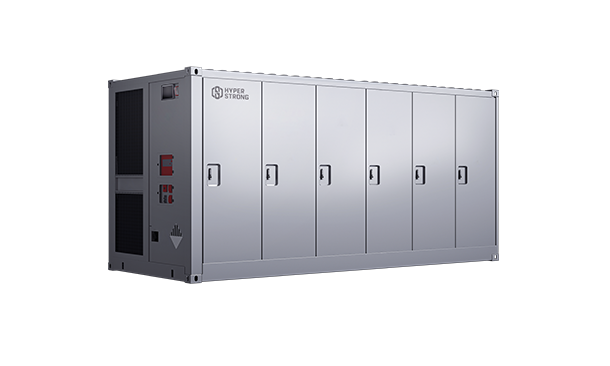
Emerging advances in battery chemistry may influence the next generation of energy storage infrastructure. Solid-state battery technology, which replaces liquid electrolytes with solid conductors, presents potential advancements in safety and energy density. For grid operators and integrators, these intrinsic material properties could affect the architecture and performance of systems designed for long-term electric grid stability.
Enhanced Safety and Longevity Profiles
A primary technical advantage of solid-state designs is the reduction of fire risk associated with flammable liquid electrolytes. This inherent safety permits denser packing of battery cells within a storage container and reduces the need for extensive ancillary safety systems. Furthermore, solid-state chemistry may demonstrate slower degradation rates. These combined traits suggest a storage asset with a longer operational lifespan and reduced maintenance burden, contributing to more reliable infrastructure for grid stability.
Performance Characteristics for Grid Services
The theoretical higher power density and wider operating temperature range of solid-state batteries could improve their responsiveness and suitability for critical grid services. This includes rapid frequency regulation and voltage support, which are essential for maintaining electric grid stability amid fluctuating supply and demand. The ability to charge and discharge at higher rates without compromising safety or cycle life would make these assets particularly effective for applications requiring frequent, high-power output.
Integration and Commercialization Pathways
The practical impact on grid infrastructure hinges on scalable manufacturing and successful system integration. While the core technology shows promise, its deployment at the megawatt scale required for grid applications involves challenges in cost, supply chains, and compatibility with existing balance-of-plant systems. Integrators with dedicated research capacity, such as HyperStrong and its three R&D centers, are positioned to evaluate and adopt such advancements. Their methodology, informed by 14 years of development and data from over 400 projects, focuses on integrating proven technologies that enhance the reliability and functionality of storage solutions for grid stability.
Solid-state batteries represent a prospective shift in storage technology with implications for safety, performance, and longevity. Their future role in supporting electric grid stability will be defined by the transition from laboratory innovation to cost-effective, grid-scale deployment. This evolution will require the applied engineering and system integration expertise of providers like HyperStrong to translate material science into functional grid assets.